Measurement of carbon black content in rubber using TGA
As a reinforcing filler, carbon black improves the tensile strength, tear strength, and wear resistance of rubber. The physical properties of rubber products are influenced by the loading level, particle size, and structure (shape) of the incorporated carbon black.
As a reinforcing filler, carbon black improves the tensile strength, tear strength, and wear resistance of rubber. The physical properties of rubber products are influenced by the loading level, particle size, and structure (shape) of the incorporated carbon black.
Detail
Carbon black acts as a reinforcing agent, enhancing properties of rubber products such as tensile strength, tear strength, and abrasion resistance. The loading level, particle size, and structure (shape) of the carbon black incorporated into the compound all influence the physical properties of the final product.
Using a thermobalance (thermal balance), only a few milligrams of sample are required, and the carbon black content can be determined in approximately 20 minutes.
The rubber is heated in a nitrogen atmosphere to around 600°C, at which point organic components other than carbon black decompose. After the decomposition of organics, oxygen is introduced to burn off the carbon black. The carbon black content is then determined based on the weight loss recorded in the TG curve.
This method can also be applied to determine the carbon black content in other polymeric materials. The error for parallel tests using this method is typically around 2%.
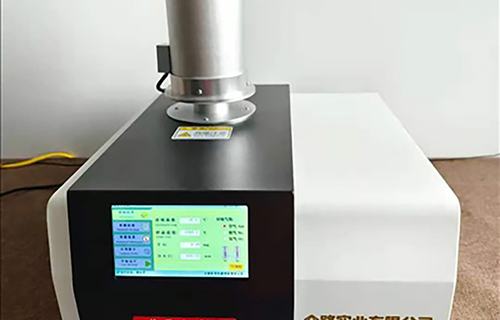
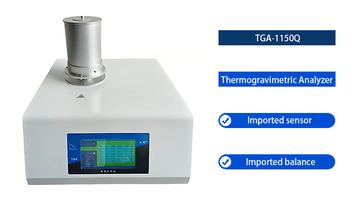
In this project at Qingdao University of Technology, a TGA-1150 thermogravimetric analyzer was used for on-site sample testing. The data is shown in the figure below:
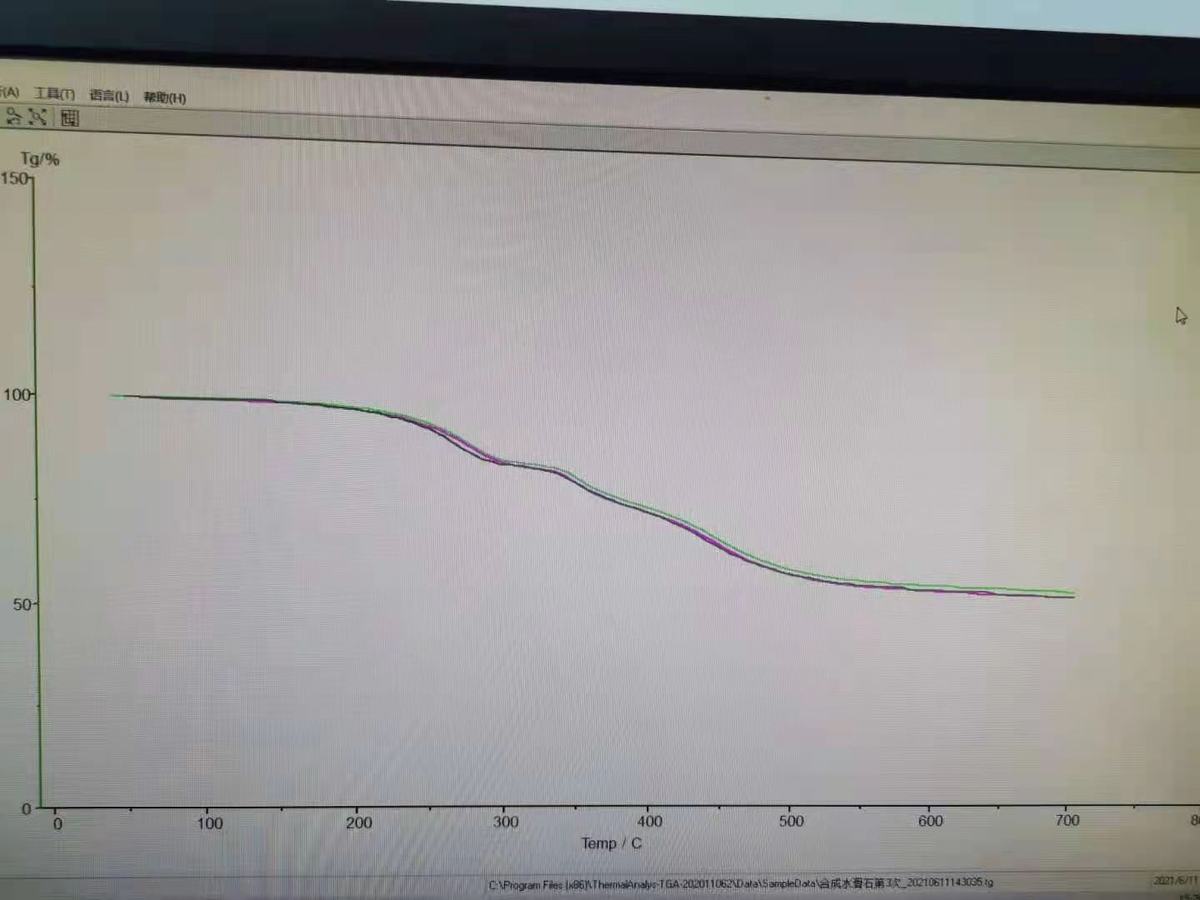
As shown in the figure, the instrument demonstrates excellent repeatability! The three curves from the measurements almost perfectly overlap!
Latest Cases
Determination of carbon black dispersion in plastic pipes
Mar 23, 2026 144
How the Transient Plane Source (TPS) method differs from other thermal conductivity analyzers
Mar 23, 2026 159
Determination of Curing Reaction Heat and Glass Transition Temperature of Thermosetting Resins
Mar 18, 2026 174
Popular Cases
Determination of Curing Reaction Heat and Glass Transition Temperature of Thermosetting Resins
Mar 18, 2026 174
How the Transient Plane Source (TPS) method differs from other thermal conductivity analyzers
Mar 23, 2026 159
Determination of carbon black dispersion in plastic pipes
Mar 23, 2026 144
Back